
Careers in Precision Engineering: Roles, Skills and Career Progression in the UK
What Is Precision Engineering?
Precision engineering is a specialist discipline within manufacturing that focuses on the design, machining and production of high‑tolerance, high‑accuracy components. These components are often critical to safety, performance and reliability, meaning precision engineering plays a central role in many of the UK’s most advanced industries.
Careers in precision engineering combine technical expertise, problem‑solving and craftsmanship with modern automation, digital systems and continuous improvement methodologies. As manufacturing continues to evolve, demand for skilled precision engineers remains strong across the UK.
 Why Choose a Career in Precision Engineering?
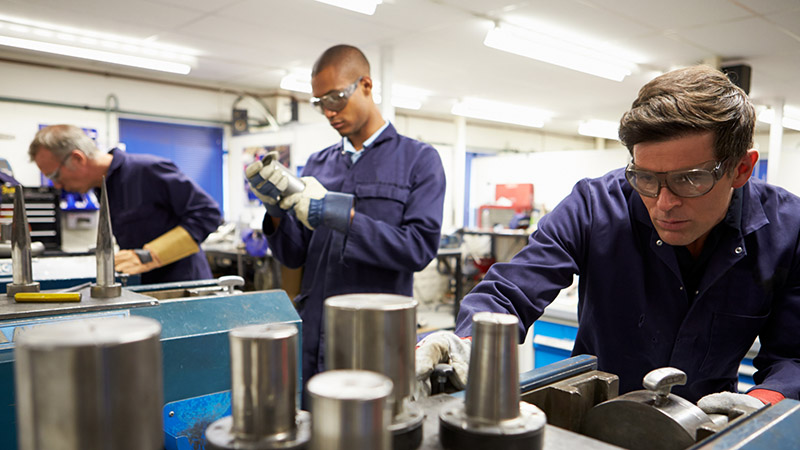
Precision engineering offers a highly skilled, long‑term career path with opportunities to work on complex, technically challenging projects. Professionals in this field benefit from:
- Strong demand across critical UK industries
- Clear progression from hands‑on roles to senior technical positions
- Competitive salaries for skilled engineers
- Opportunities to specialise or move into leadership roles
- Exposure to cutting‑edge manufacturing technology
For both early‑career engineers and experienced professionals, precision engineering offers variety, stability and technical satisfaction.
Precision Engineering Roles and Career Paths
Early‑Career Precision Engineers
Early‑career roles in precision engineering often include trainee precision engineers, junior machinists, or graduate manufacturing engineers. These positions focus on developing core machining, measurement and quality skills under guidance from experienced colleagues.
Individuals at this stage learn:
- Engineering drawings and specifications
- Basic CNC machining principles
- Inspection and measurement techniques
- Safe working practices in manufacturing environments
CNC Machinists and Programmers
CNC machinists and programmers are central to precision engineering operations. These roles involve:
- Operating CNC machines to produce high‑tolerance components
- Programming using ISO code or conversational controls
- Tool selection, setup and optimisation
- Continuous improvement of cycle times and quality
As skills develop, CNC professionals often take responsibility for more complex components, multi‑axis machines and advanced programming.
Experienced and Senior Precision Engineers
Senior precision engineers bring deep technical expertise and often support process optimisation, mentoring and production efficiency. Responsibilities may include:
- Leading complex machining projects
- Supporting production troubleshooting
- Driving quality and process improvements
- Liaising with design and production teams
Many senior engineers also progress into leadership or specialist technical roles.
Precision Engineering Across Key UK Sectors
Aerospace and Defence
Precision engineering is critical within aerospace and defence, where components must meet extremely tight tolerances and stringent quality standards. Engineers often work with advanced materials and complex machining processes.
Automotive Manufacturing
Automotive precision engineering supports both high‑volume production and specialist performance components. Speed, consistency and continuous improvement are key focuses in this sector.
Medical Devices and Healthcare Engineering
Medical device manufacturing demands exceptional precision and strict compliance. Engineers in this field must balance quality, traceability and regulatory requirements while maintaining efficient production.
Oil, Gas and Energy
Precision engineering supports the manufacture of high‑performance components used in energy generation and processing. Reliability and material performance are critical in these environments.
Manufacturing and Production Environments
Beyond sector‑specific applications, precision engineers are essential across general manufacturing, supporting production efficiency, machine capability and quality standards.
 Skills and Qualifications for a Career in Precision Engineering
Apprenticeships and Vocational Routes
Many precision engineers begin their careers through apprenticeships or vocational training. These routes provide hands‑on experience combined with technical education, making them a strong foundation for long‑term careers.
Degree‑Educated Engineers
Degree‑educated engineers often enter precision engineering from mechanical, manufacturing or production engineering backgrounds. These roles typically blend practical machining knowledge with process development and systems thinking.
CAD/CAM, CNC Controls and Programming Languages
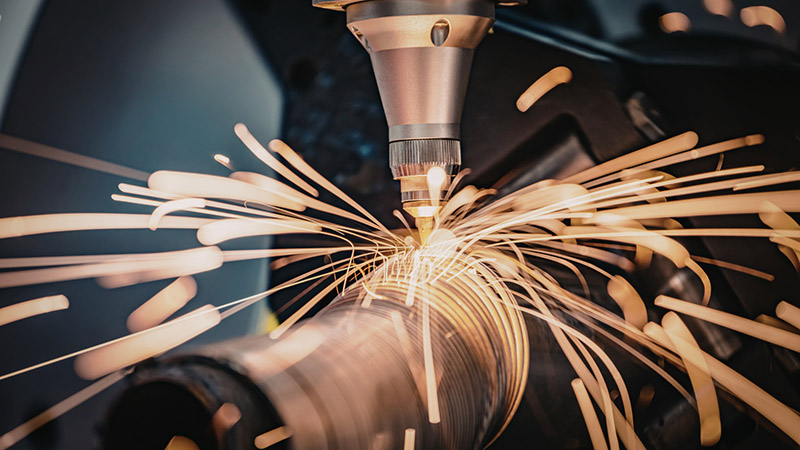
Modern precision engineering requires proficiency in:
- CAD/CAM systems
- CNC programming (ISO, Fanuc, Siemens, Heidenhain)
- Multi‑axis machining concepts
- Process optimisation and cycle efficiency
Engineers with strong digital and programming capabilities are in particularly high demand.
Quality Standards and Continuous Improvement
Precision engineering is closely linked to quality management and continuous improvement. Many roles require an understanding of:
- ISO quality standards
- AS9100 (aerospace)
- Lean manufacturing principles
- Process control and root cause analysis
These frameworks support consistency, traceability and ongoing performance improvement.
Career Progression and Long‑Term Opportunities
Careers in precision engineering offer structured progression pathways. Engineers may develop into:
- Senior or lead precision engineers
- CNC programming specialists
- Manufacturing or production engineers
- Technical managers
- Operations or engineering leadership roles
The transferable nature of precision engineering skills allows professionals to move across sectors while maintaining technical credibility.
Careers in Precision Engineering with Nicholas Associates
At Nicholas Associates, we work closely with precision engineering professionals across the UK, from early‑career engineers to senior technical specialists. Our deep understanding of manufacturing, engineering and high‑precision environments enables us to provide informed insight into career opportunities and progression routes.
Whether you are developing your skills, seeking your next technical challenge, or planning a strategic career move, understanding the precision engineering landscape is essential to making confident decisions.